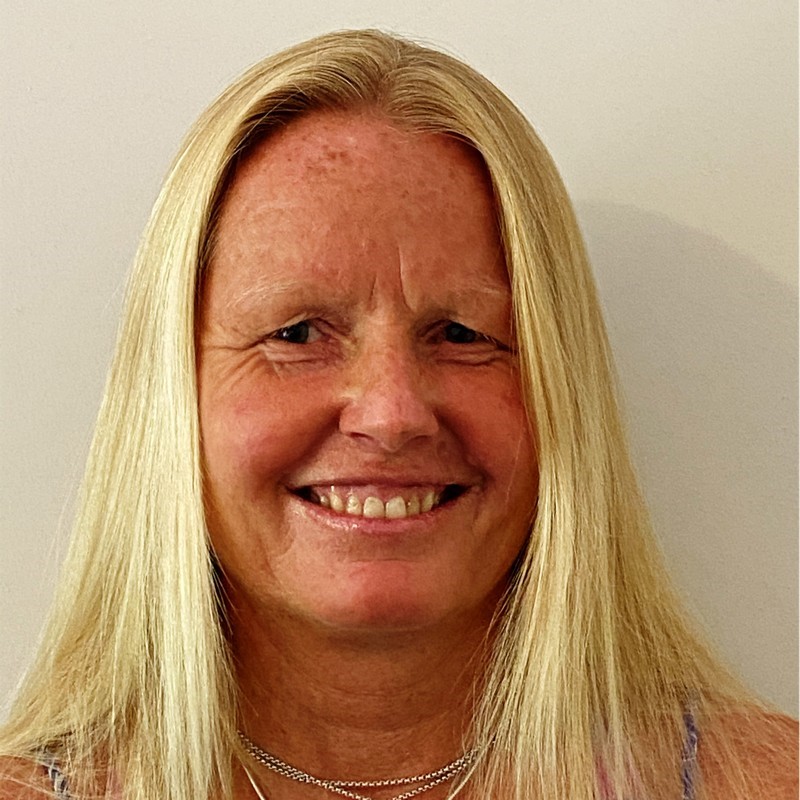
Josephine Tognela is a Registered Psychologist with five years experience providing psychometric assessments and evidence-based clinical interventions in the South West. She completed her Master of Professional Psychology in 2022 and is currently a Master of Clinical Psychology Student and PhD Candidate exploring strategies to optimise informal social support for bereaved parents.
Josephine has worked in private settings providing ADHD Assessments, Intellectual/Educational Assessments and psychological support for children, adolescents, and adults. Presently, Josephine is working in the private sector providing therapeutic support for individuals utilising Cognitive Behaviour Therapy (CBT), Dialectical Behaviour Therapy (DBT), Acceptance and Commitment Therapy (ACT), Schema-focused Therapy, Psychoeducation, Positive Psychology, Solution-Focused Therapy,and Eye Movement Desensitisation and Reprocessing (EMDR).
Josephine is passionate about helping people make sense of their unique challenges and finding strategies to realise their vision for a better life. She brings this passion into her private practice, where she provides ADHD Assessments and Intellectual/Educational Assessments for children, adolescents, and adults, and therapy for adults 18+.